
The discussion
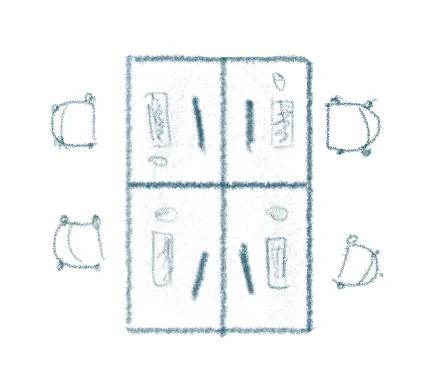
In the previous office of my current company, we had a flex desk policy. People would pick a spot to sit as they came to work (in hybrid WFH and in-office setup).
As we learned that an office move was coming up, there were discussions regarding the pros and cons of two approaches to office seating: flex desks and reserved spaces. Both are very different office space arrangements, each with its own set of advantages and disadvantages.
In this post, I want to share the highlights of some of the conversations and compare the pros and cons of both approaches to office seating. Even though the terms are self-explanatory, let’s define both before we dive deeper.
The “Flex Desk” approach
In a flex desk setup, employees don’t have assigned seats. Instead, they can choose where they want to sit each day when working from the office. It’s like having a “first-come, first-served” system for work desks.
The “Reserved Space” approach
In a reserved space setup, each team or individual has their designated office area and desk. People have assigned desks that they use while at the office.
The outcomes
Below I collected and summarized the viewpoints of diverse individuals — my office colleagues, remote coworkers, and professional connections, on the topic of “reserved vs. flex desks”. Let’s get right into it!
Flex Desks
Pros:
- Cost-effective: Flex desks can be more cost-effective as they allow for more efficient use of office space. Since people don’t have assigned seats, you can accommodate a larger number of people with fewer desks because of the difference in attendance throughout the week.
- Flexibility: People can choose where to work each day, providing a more flexible and dynamic environment that promotes collaboration and creativity.
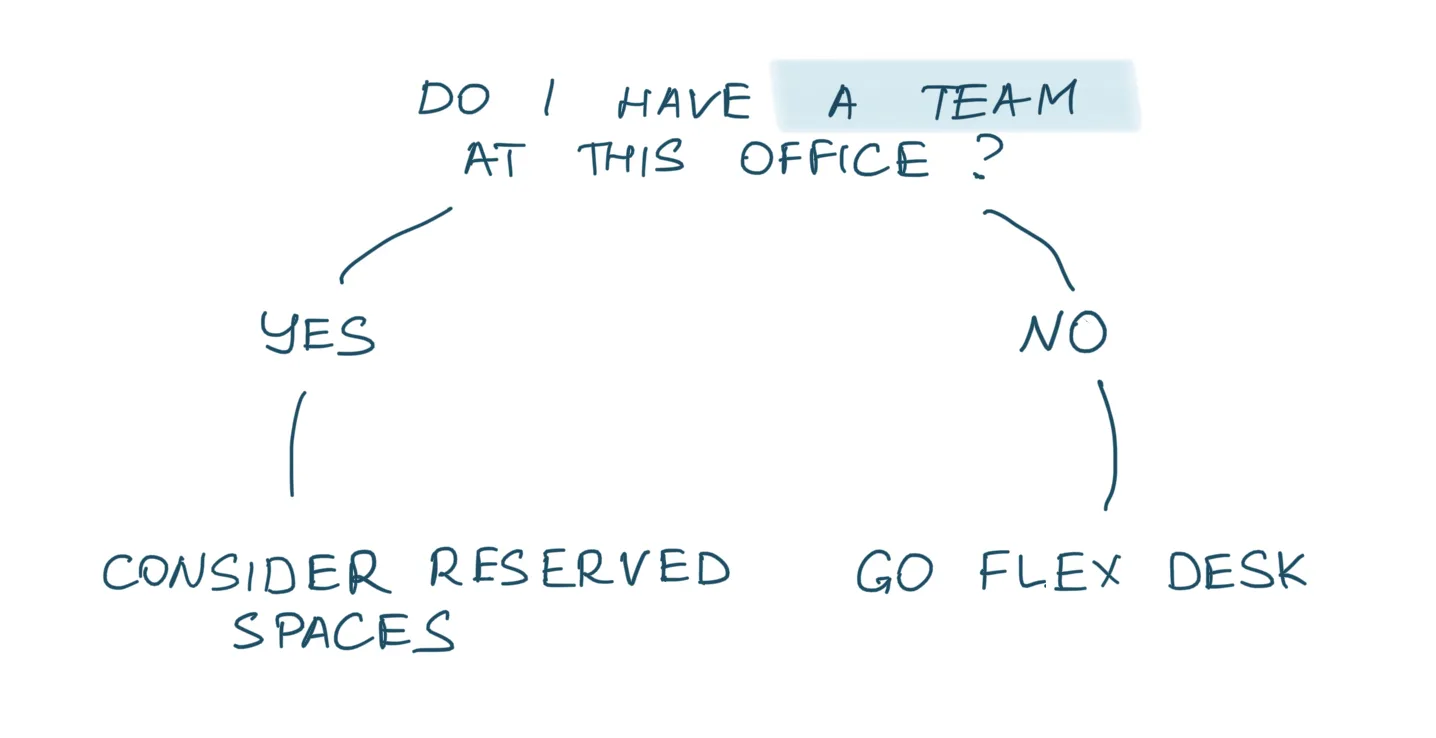
This approach may not be practical for individuals with a team in that particular office, as they prefer sitting next to their colleagues, narrowing down the available location options.

- Variety: People have the opportunity to work in different areas, which can help prevent monotony and increase job satisfaction. Also, colleagues may get to know each other better.
Cons:
- Lack of personalization: Some employees prefer having a dedicated space they can personalize and call their own, which is impossible with flex desks.
- Competition for space: On busy days, employees might struggle to find available desks, leading to potential distractions and delays. It also leads to teams being scattered across the whole space, removing the ability to collaborate without having to book a meeting room.
- Less team cohesion: Since employees may not sit near their team members consistently, communication and collaboration within teams could be impacted. Not a big deal when all processes in the team work well online, but it’s not always the case.
- Storage issues: Employees with flex desks might face difficulty securely storing personal belongings and documents, decreasing their satisfaction with the workplace (assuming desks have drawers or lockers).
Reserved Team Spaces
Pros:
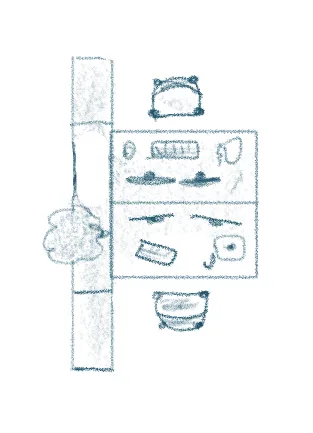
- Enhanced collaboration: Team members sitting together can facilitate better communication (easier for quick chats), teamwork, and knowledge sharing. They don’t need to book a meeting to discuss the minutiae.
- Improved team cohesion: Teams sitting together can develop stronger bonds and synergy because, in addition to work topics, they are more inclined towards sharing about their private lives. They also feel more comfortable sharing ideas and communicating more openly in general.
- Personalization: Employees can personalize their workspaces, which can boost morale and a sense of ownership or provide that cozy “cave” they may not be able to have elsewhere.
- Stable working environment: For some people, having their own dedicated space can help create a routine and a sense of stability.
Cons:
- Higher costs: Reserved team spaces can be more expensive as you may need to allocate dedicated space for each team, which might lead to underutilized areas if people don’t come to the office often enough.
This can be mitigated by adopting a hybrid policy or agreeing that people can take any empty desk after a particular hour, including the assigned ones.
- Less flexibility: If the team’s needs change or new team members join, rearranging seating arrangements can be more cumbersome.
- Potential conflicts: If a team has interpersonal issues, sitting in close proximity might exacerbate tensions. However, this is not just a seat allocation issue but rather an internal team challenge that needs to be addressed separately.
Summary

In this post, we’ve explored the pros and cons of two very different office seating approaches: flex desks and reserved team spaces. Flex desks allow people to choose where they want to sit each day, promoting flexibility and cost-efficiency, but it may lead to competition for space and reduced team cohesion. Reserved team spaces enhance collaboration and team cohesion, as team members sit together regularly, but they may be less flexible and potentially more expensive.
If there’s an option to choose between the two, raising the question with each team and individual would allow them to decide, bringing the seating plan to its most optimal state.