
In a previous post, I looked at managing time effectively as an Engineering manager, drawing from Aviv Ben-Yosef’s insightful book, The Tech Executive Operating System.
Today, let’s explore another valuable lesson from this book: how to recognize and handle impostor syndrome in the moments when it affects us most.
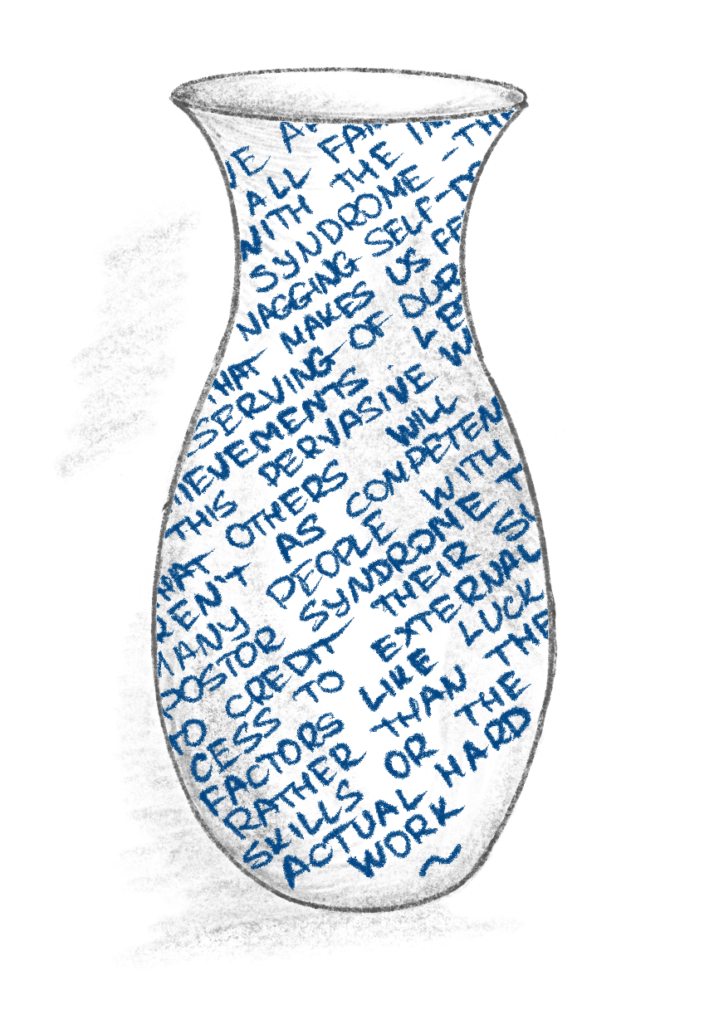
We’re all familiar with IS − the nagging self-doubt that makes us feel undeserving of our achievements. Less than. The pervasive worry that others will “find out” we aren’t as competent as we seem.
Many people with impostor syndrome credit their success to external factors like luck, rather than their own skills or effort. Add to that the drive to meet impossibly high standards, and there you have it: overworking or deep procrastination due to the fear of not achieving perfection. Which camp are you in? I’m in… well, let’s keep that secret for now 🙄
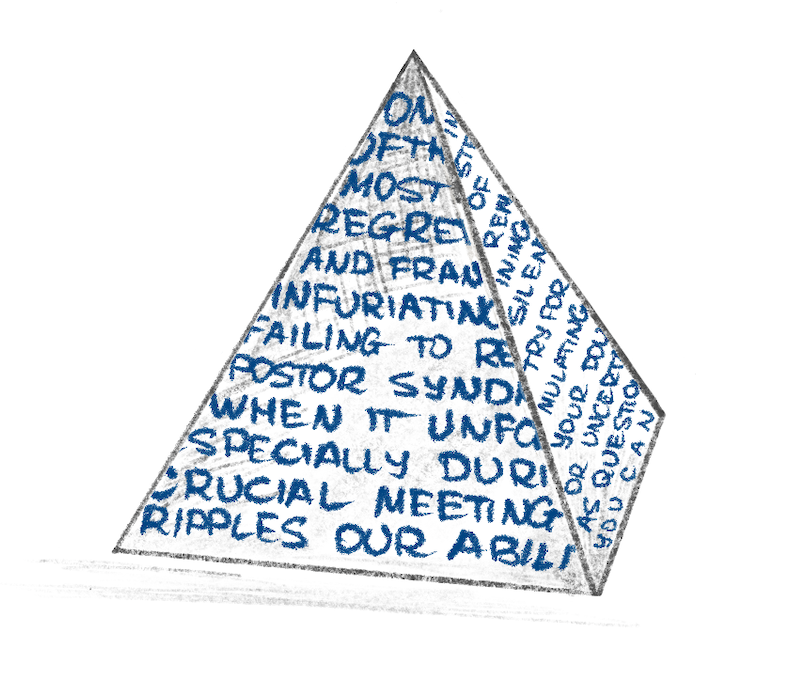
To compensate for this internal sense of inadequacy, people might overprepare or work excessively, sometimes to the point of burnout. Something that drives me up the wall is failing to recognize impostor syndrome as it unfolds − particularly during crucial meetings, when it cripples our ability to make high-quality contributions.

Send help! 🚨
Ben-Yosef shares some practical advice to combat the impostor syndrome. I have chosen two exercises that are easy to implement and can lead the way into a productive discussion, dampening the IS noise.
Ask Socratic questions
Instead of remaining silent because you feel your input isn’t valuable, try formulating your doubts or uncertainties as questions. Clarify things. If something doesn’t make sense to you, chances are others are thinking the same.
Approaching discussions this way helps you engage constructively, encourages deeper conversation, and can often uncover overlooked issues.
Summarize key points
Another practical tactic is to summarize discussions. Restating the conversation in your own words ensures alignment within the team, clarifies misunderstandings, and gradually builds your confidence to share your views more comfortably. A typical meeting can be summarized quickly, often to the benefit of everyone involved.
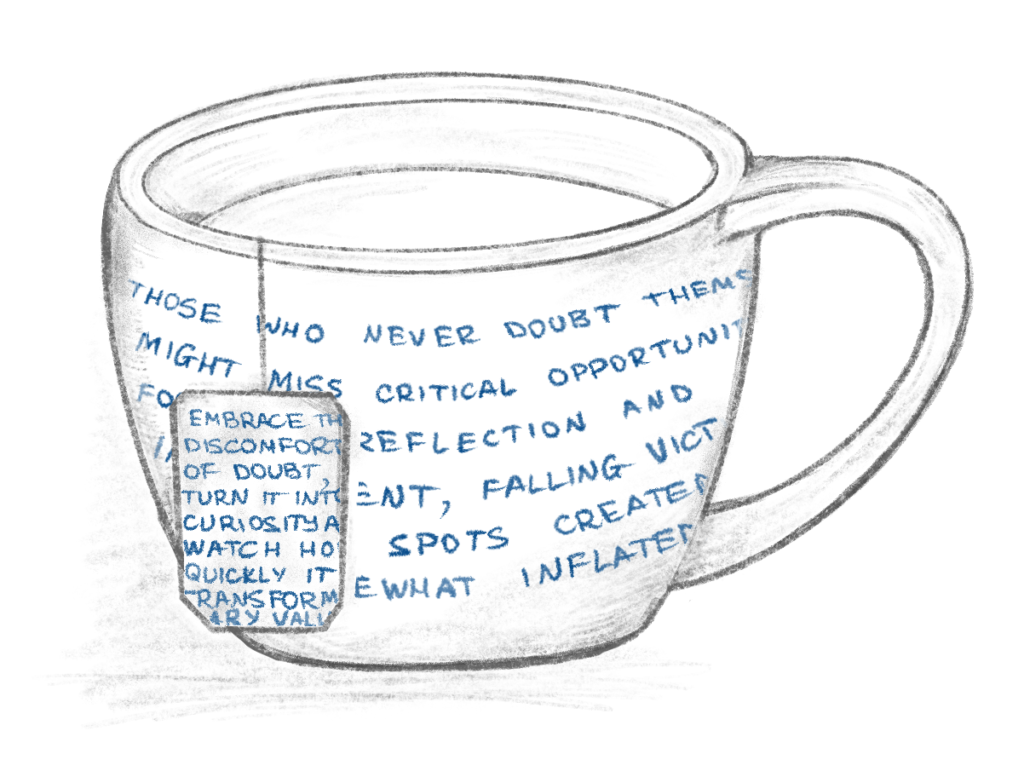
It’s worth acknowledging again that experiencing impostor syndrome is entirely normal, perhaps even beneficial. Those who never doubt themselves may miss crucial opportunities for self-reflection and improvement, sometimes falling victim to their own blind spots.
Let me leave you with a powerful reminder:
“Doubt kills more dreams than failure ever will.”
— Suzy Kassem